
Interview with a Wild and Wise Tribe Mother
Introduction & Background
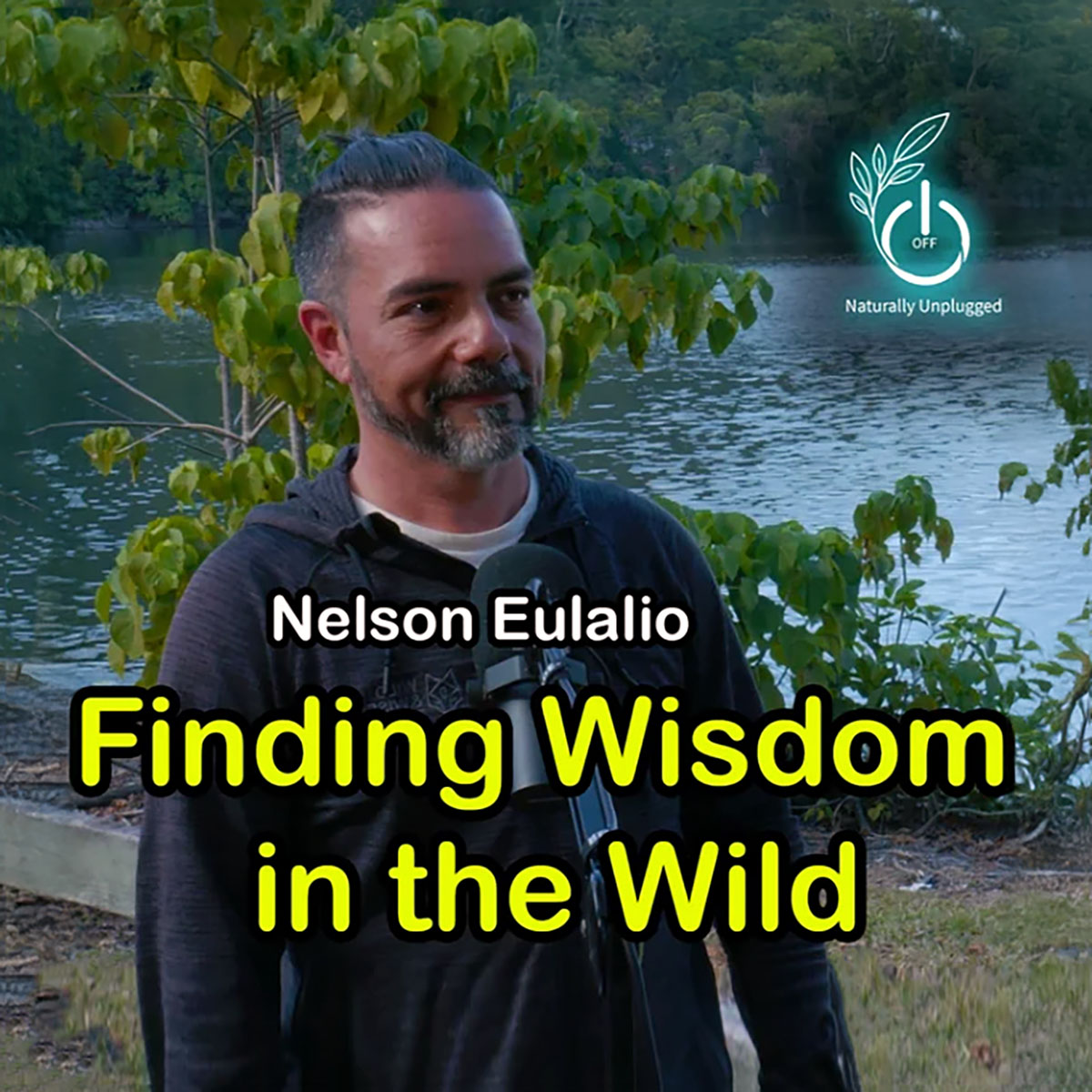
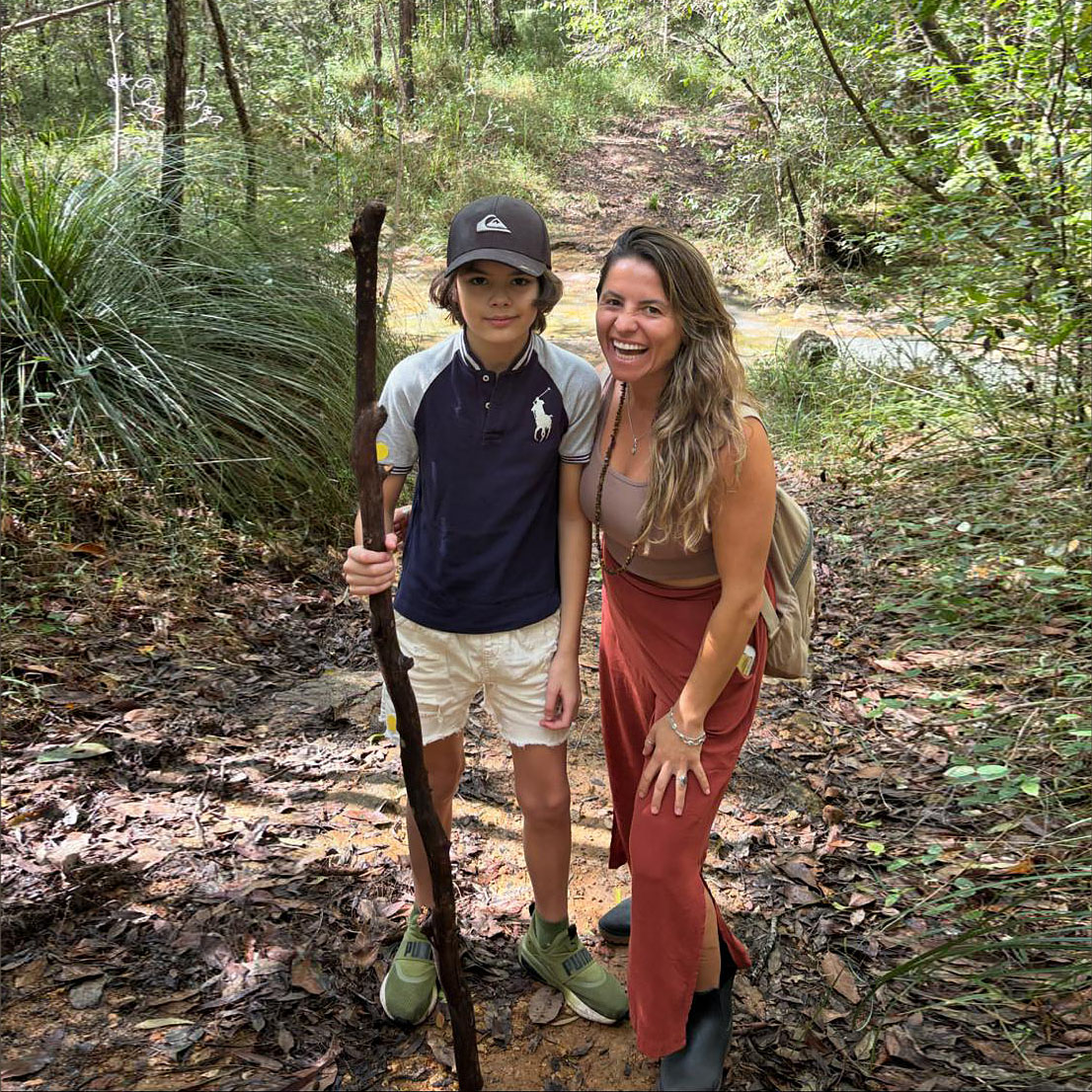
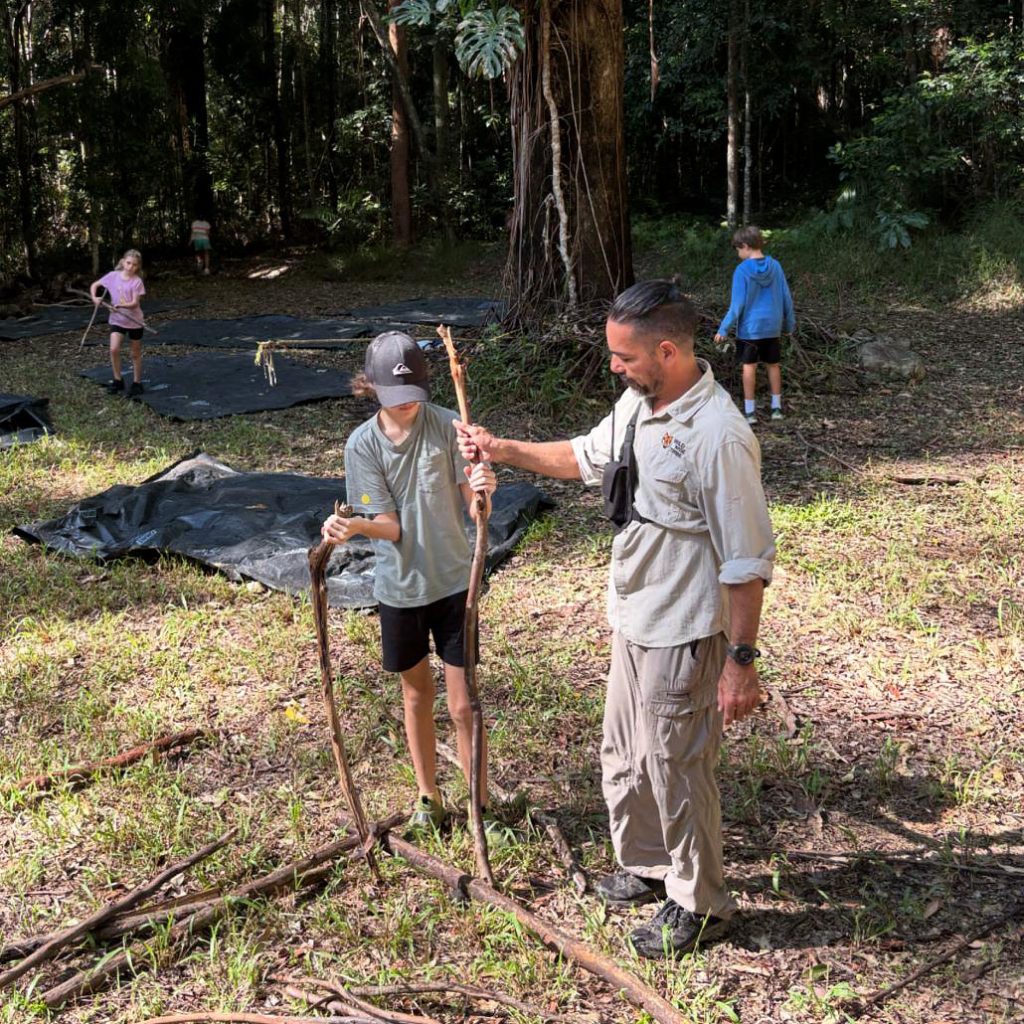
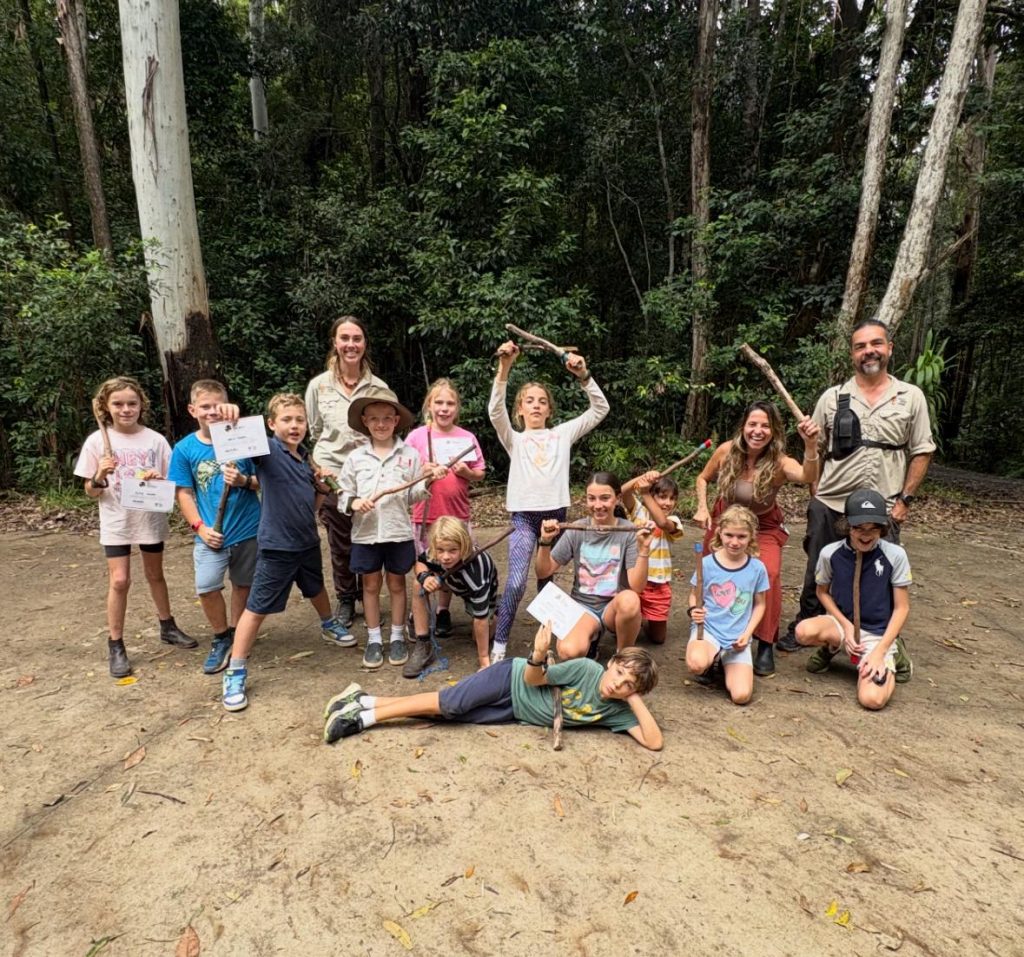
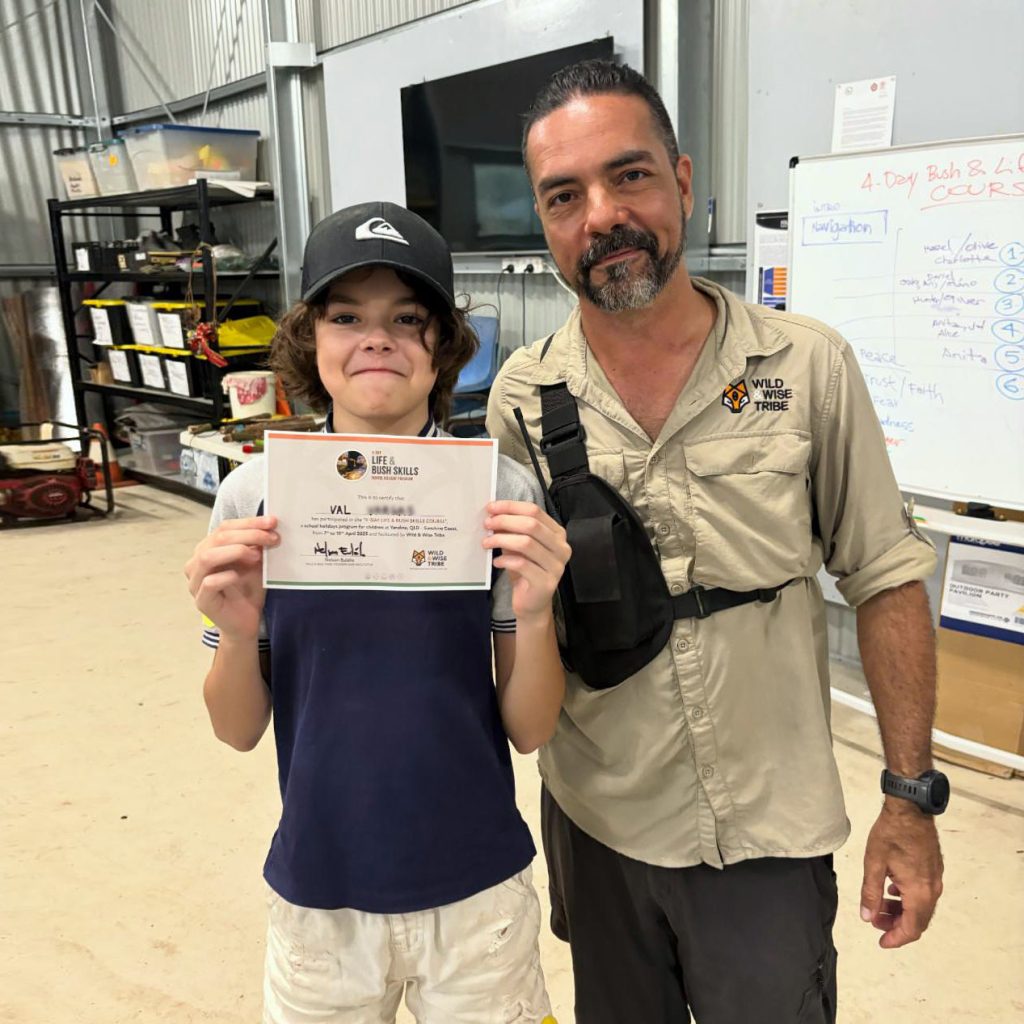
Mrs. Marie H. is the mother of Val, an 11-year-old boy that participated in the 4-Day Bush and Life Skills Program, with Nelson Eulalio, a nature-based therapist and the head instructor of Wild and Wise Tribe. The program runs on school holidays and has been one of the favourite programs. Val came with his support worker Fernanda Padilha, who is also a facilitator in some of the Wild Wise Tribe programs. This is an interview with Marie, where she shares the profound impact of the program on her son’s life and also hers.
Interview
How did you hear about the Wild and Wise Tribe program?
My support aid, Fernanda, who’s also a facilitator with the program, sent it through to me. She was so passionate about it and really believed it would be a great fit for my child.
What made you decide to enroll your child in this 4-day life skills experience?
I wanted to give him the chance to get out in nature and be in a safe, supportive space. I don’t think he realised how much he needed it — and to be honest, I didn’t realise just how deep and meaningful the program would be either.
Had your child ever participated in a nature-based or therapeutic outdoor program before?
Never!
What were some of the key challenges your child faced before the program (emotionally, socially, behaviourally)?
Val has had therapy and taken part in other programs before. He’s learned the tools to help regulate his emotions and support his social and behavioural development. But life isn’t perfect all the time. He experienced some bullying at school, and it really set him back — he became withdrawn, not just at school but also with friends and even within our own family. It felt like those connections were lost.
I knew I needed to help him through this. Wild & Wise became that turning point — it gave him a safe, supportive space to reconnect with his feelings and brought a sense of power and confidence back to him. It helped him remember the tools he’s learned along the way, which we all tend to forget when we’re stuck in fight-or-flight mode. Wild & Wise gently guided him back to himself.
How did your child typically respond to new environments or group settings?
He’s got the skills, but before this, he didn’t feel safe enough to use them. He’s usually shy and hesitant at first — guarded in new spaces. But once he sensed that the group was a soft, supportive space, he slowly opened up and began to take on the challenge. It was like he finally had permission to just be himself.
What were your hopes or expectations going into this experience?
I hoped he’d enjoy being out in nature and feel free enough to connect with others. More than anything, I wanted him to laugh again — to feel like himself and like he belonged in the world. I wanted him to be surrounded by like-minded kids, where he could feel safe, accepted, and part of something bigger.
How did your child react during the first days of the program?
Yes — not always in words, but I noticed a difference in his behaviour. He seemed calm.
Did he share anything that stood out to you about the activities or facilitators?
He kept talking about the fire activities — they really stayed with him. He explained to me how each element connects to different emotions, and how every emotion can be both good and bad depending on how we handle it. He shared what he learned about recognising those feelings and finding the best way to work through them. The way it was all explained — especially how each element ties into emotions — made it really click for him. It wasn’t just learning; it meant something to him.
Was there a particular moment or part of the program that seemed especially meaningful to him?
Yes — the fire was a big highlight for him. The demonstration with his group about how emotions build, and that it’s okay to have those big feelings, really stuck. It helped him see that emotions like anger or confusion aren’t bad — it’s about how we handle them. That moment gave him a new way to understand and manage what he’s feeling.
What really touched me was how he took that experience and shared it with his grandparents. He showed them how to light a fire and explained the meaning behind it — how each step reflects our emotions, and how important it is to care for nature because it guides us, too. Watching him pass that on so thoughtfully was really beautiful. I felt very proud of him. It reinforced that this was a fantastic program.
Have you noticed any shifts in your child’s behaviour or mood since the experience?
Yes — I’ve seen a real shift. He’s more in touch with his emotions and has started naming them, rather than bottling things up. It’s like those tools he’d learned in the past are now sitting at the front of his mind — ready for him to use when he needs them.
Val felt like himself again. This experience was a kind of repair therapy for everything he’d been struggling with. It gave him a reset — emotionally, socially, and within himself.
This is not just a program for children that our new to the “emotional regulation toolbox.”
It’s also not a program just neurodivergent children. It can be anyone child that needs to understand themselves and the world better. It’s a program that helps us remember how nature needs to be apart of us. Nature is a support tool to help our soul.
Did anything about his connection with nature or with you change as a result?
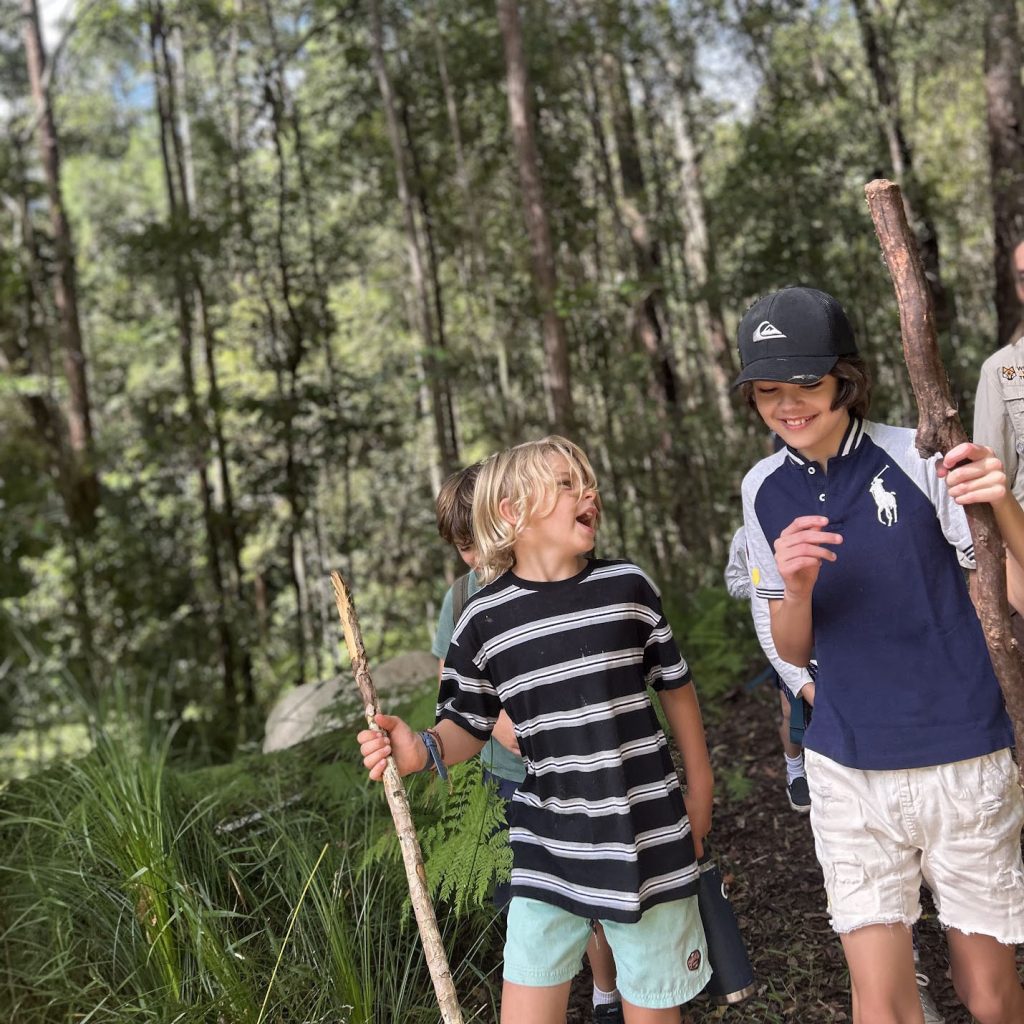
Yes — he became kinder, less angry, and more calm. He’s more aware of his emotions now and how they affect his actions, especially towards others and nature. It’s like he’s more present, more connected to life.
In your opinion, did this experience support your child’s development? If so, how?
Absolutely. It supported Val in ways I couldn’t always reach as a parent. He really listened to the facilitators — professionals who specialise in emotional, behavioural, and social development. Hearing it from someone outside the family made a huge difference. The program helped him reconnect with the tools he’d learned in the past, but this time it clicked in a much deeper, more lasting way.
And from a parent’s point of view, we need support too. This program gave that to me — it reminded me that I’m not doing this alone. I’ve always been a big advocate for therapy — not just for neurodivergent kids, but for everyone. Especially in the neurodivergent space, we have to keep an open mind about the kind of support that can have not just short-term benefits, but long-term, life-changing outcomes.
If we invest in our children’s skills — if we help them build confidence and believe they can navigate life with an amazing toolbox — then we’re giving them something powerful. Independence. Resilience. Success on their terms. And that can’t come from home alone — it needs to be backed by strong, nurturing support outside the home too. Wild and Wise Tribe delivered that.
What did it mean to you, as a parent, to see your child engaged in this experience?
It filled me with love and happiness. Watching him so involved gave me hope again as a parent. It reminded me that with the right support, the right environment, our kids can grow and thrive. It completely shifted my mindset.
Recomendations
What would you say to other families with neurodivergent children who might be considering this kind of program?
Don’t hesitate — I honestly don’t think, I just do. You won’t regret it. It’s exactly what so many kids need.
Would you recommend Wild and Wise Tribe to other families?
Yes — 100%, and I already have!
If you could describe the impact of the Wild and Wise Tribe in one sentence, what would it be?
It’s life-changing — for the child and for the whole family. It teaches you how to care for yourself and others in a really meaningful way.
Programs like Wild and Wise Tribe give children the chance to step away from daily pressures and truly reconnect with nature. It’s not just a program — it’s a mentorship experience, led by people with genuine passion and deep care. The facilitators guide in such a nurturing and intuitive way, listening with intention and gently supporting each child. Kids absorb so much just by being in that space — it teaches without forcing, and it feels safe. The leadership is grounded and impactful; they’re not just running activities — they’re helping to change lives.
But it’s more than that. As parents and as people, we need to start looking at the root causes behind our emotions — asking why we’re anxious or overwhelmed, and where those feelings come from. If children can participate in programs like this from a young age, they can begin to understand their emotions early, before those feelings become bigger struggles. It opens the door for honest, meaningful relationships — not just between parent and child, but in all areas of life. When we do this work, we all have the chance to become the best version of ourselves — with more compassion, more understanding, and a stronger connection to each other.
Even neurodivergent children can live flourishing, successful lives — lives full of joy, purpose, and connection. We just need to open our minds and open the world up to them. I can honestly say my neurodivergent child has taught me how to shift my thinking. He’s opened my eyes to experiences, strengths, and ways of seeing the world that I never would have known if I hadn’t been given the gift of parenting him. Through him, I’ve learned a deeper kind of patience, empathy, and resilience — and that’s something I’ll carry with me forever.
Wild and Wise Tribe doesn’t just support your child — it supports you, too. It holds space for both of you to grow, to heal, and to reconnect — not apart, but together.
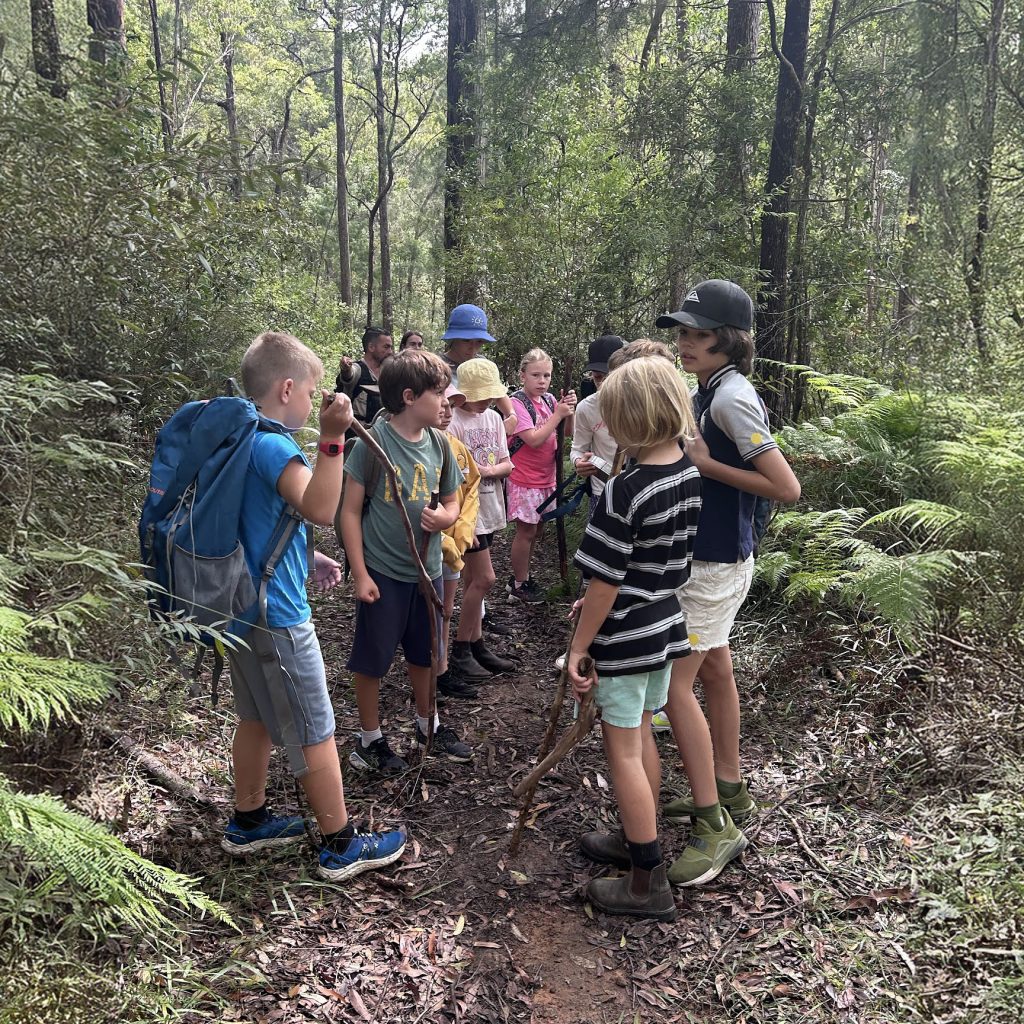
The 4-Day Bush and Life Skills course runs on school holidays. The child must have completed the Intro to Bush and Survival Skills workshop, which is a day-long workshop that is offered a few times a year.